
.png)

.webp)
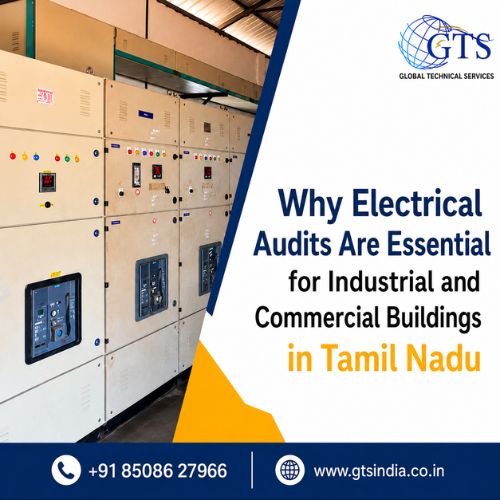
For industries, commercial buildings, hospitals, educational institutions, warehouses, hotels, and IT parks across Tamil Nadu, regular electrical audits are no longer just a compliance requirement—they are a smart investment in operational reliability, workplace safety, and long-term cost savings.
What Is an Electrical Audit?
An electrical audit is a systematic assessment of a facility's electrical infrastructure carried out by qualified electrical engineers. The objective is to evaluate how efficiently and safely the electrical system operates while identifying existing defects, potential risks, and opportunities for improvement.
Unlike routine maintenance, which mainly focuses on repairing visible faults, an audit examines the complete electrical network to understand its overall condition and performance.
A professional audit typically evaluates:
- Incoming power supply
- HT and LT distribution systems
- Transformers
- Electrical panels and switchboards
- Protection systems
- Cables and wiring
- Earthing and lightning protection
- Power quality
- Load distribution
- Energy consumption patterns
Whether it's an industrial electrical audit in Tamil Nadu or a commercial electrical audit, the goal remains the same: ensuring that electrical systems continue operating safely, efficiently, and reliably.
Why Electrical Audits Have Become More Important Than Ever
Today's industrial facilities consume significantly more electricity than they did a decade ago.
Automation, CNC machinery, robotics, HVAC systems, elevators, data centers, high-capacity motors, UPS systems, and modern production equipment place continuous demands on electrical infrastructure.
Unfortunately, many facilities still operate with electrical systems that were originally designed for much lower loads.
As production expands, additional machines are often connected without reviewing whether the existing electrical distribution system can safely support the increased demand.
Over time, this may lead to:
- Overloaded electrical panels
- Frequent tripping of circuit breakers
- Voltage fluctuations
- Excessive transformer loading
- Cable overheating
- Poor power factor
- Reduced equipment lifespan
- Higher electricity bills
- Unexpected production interruptions
An electrical audit helps identify these issues before they develop into major operational or safety concerns.
Industries That Benefit from Electrical Audit Services
Almost every business that depends on electrical systems can benefit from periodic audits. However, some industries have particularly demanding electrical environments where regular inspections are essential.
Manufacturing Industries
Manufacturing plants operate large motors, production lines, welding equipment, compressors, furnaces, and automated machinery. Even a minor electrical fault can stop production and result in significant financial losses.
Regular industrial electrical audits in Tamil Nadu help manufacturers identify overloaded circuits, thermal hotspots, deteriorating switchgear, and power quality issues before they affect production.
Commercial Buildings
Office complexes, shopping malls, business parks, and mixed-use developments rely on stable electrical systems to support lighting, air conditioning, elevators, fire protection systems, and IT infrastructure.
A commercial electrical audit helps building owners improve system reliability while ensuring occupant safety and regulatory compliance.
Hospitals and Healthcare Facilities
Hospitals cannot afford electrical interruptions.
Critical equipment such as ventilators, imaging systems, operating theatres, laboratory equipment, and emergency power systems depend on uninterrupted electricity.
Electrical audits help verify the reliability of backup power systems, UPS installations, distribution panels, and emergency electrical infrastructure.
Hotels and Hospitality
Guest comfort depends heavily on reliable electrical systems.
Power interruptions can affect elevators, air conditioning, lighting, kitchen operations, security systems, and water supply.
Routine audits help hotels maintain uninterrupted services while reducing energy wastage.
Warehouses and Logistics Centres
Warehouses increasingly rely on automated storage systems, conveyor belts, refrigeration units, barcode scanners, and electric material handling equipment.
An audit helps ensure the electrical system can safely support continuous operations while identifying hidden risks that may interrupt supply chain activities.
Educational Institutions
Schools, colleges, universities, and research facilities operate laboratories, computer centres, air conditioning systems, and extensive lighting networks.
Periodic inspections improve electrical safety for students, faculty members, and staff while helping institutions manage electricity consumption more efficiently.
IT Parks and Data Centres
Data centres require highly reliable electrical infrastructure.
Power disturbances lasting only a few seconds can affect servers, communication systems, and business operations.
Electrical audits help verify redundancy systems, UPS performance, load balancing, earthing, and power quality to maintain business continuity.
Why Businesses in Tamil Nadu Should Prioritise Electrical Audits
Tamil Nadu is one of India's leading industrial states, with sectors including automotive manufacturing, textiles, electronics, food processing, renewable energy, healthcare, and information technology contributing significantly to economic growth.
As industries continue to modernise, electrical systems are expected to operate continuously under increasing loads.
Ignoring the health of electrical infrastructure can lead to:
- Reduced production efficiency
- Unexpected equipment failures
- Higher maintenance expenses
- Increased electricity costs
- Safety incidents
- Regulatory non-compliance
Professional electrical safety audit services help organisations detect potential risks early, prioritise corrective actions, and improve overall operational reliability.
For businesses looking to reduce both operational risks and energy costs, combining energy and safety audit services provides a comprehensive understanding of how electrical systems perform under real operating conditions.
Experience That Supports Better Audits
An effective electrical audit requires more than testing equipment—it requires practical engineering knowledge gained from working across different industries.
Companies involved in electrical contracting, installation, commissioning, and maintenance often develop a deeper understanding of how electrical systems behave under real operating conditions. This practical exposure enables engineers to identify issues that may not be immediately apparent during routine inspections.
As an experienced electrical contracting company in Tamil Nadu, GTS India has worked on a wide range of industrial and commercial electrical projects across different sectors. This hands-on experience allows our engineering team to approach every audit with a practical understanding of electrical distribution systems, operational challenges, and long-term reliability requirements.
Rather than simply identifying defects, our objective is to provide actionable recommendations that improve safety, optimise performance, and support uninterrupted business operations.
Key Benefits of Electrical Audit Services
Many organisations view an electrical audit as a compliance exercise. In reality, it is a proactive strategy that helps businesses improve safety, reduce operating costs, and extend the life of critical electrical assets.
A professionally conducted audit provides valuable insights that routine maintenance often cannot identify.
1. Improve Electrical Safety
Safety is one of the primary reasons businesses invest in electrical safety audit services.
Electrical faults rarely occur without warning. Loose cable terminations, deteriorating insulation, overloaded circuits, improper earthing, damaged protective devices, and overheating electrical panels usually develop gradually over time.
A professional audit identifies these risks early, allowing businesses to carry out corrective actions before they become serious safety concerns.
2. Reduce Energy Consumption
High electricity bills are not always caused by increased production.
Many facilities lose energy because of:
- Poor power factor
- Voltage imbalance
- Harmonic distortion
- Overloaded transformers
- Inefficient electrical equipment
- Unbalanced phase loading
- Ageing electrical infrastructure
An electrical audit evaluates how electricity is being distributed and consumed throughout the facility. Engineers identify areas where unnecessary energy losses occur and recommend improvements that enhance efficiency without affecting productivity.
When combined with energy and safety audit services, organisations gain a clearer understanding of both electrical safety risks and opportunities to reduce long-term operating costs.
3. Improve Equipment Reliability
Electrical equipment performs best when supplied with stable voltage and properly balanced loads.
Voltage fluctuations, excessive heat, poor earthing, or overloaded circuits gradually reduce the lifespan of:
- Motors
- Transformers
- Switchgear
- Variable Frequency Drives (VFDs)
- UPS systems
- Capacitor banks
- Control panels
An electrical audit helps identify these underlying issues before they result in costly equipment failures.
4. Minimise Unexpected Downtime
Every hour of downtime can affect production schedules, customer commitments, and operational costs.
Unexpected shutdowns are often traced back to electrical issues such as:
- Loose electrical connections
- Overheated busbars
- Ageing circuit breakers
- Transformer overload
- Faulty protection coordination
- Cable failures
Routine audits significantly reduce the likelihood of such failures by identifying potential problems before they interrupt operations.
5. Ensure Regulatory Compliance
Industrial and commercial electrical installations must comply with applicable Indian electrical standards and workplace safety requirements.
A professional audit helps businesses:
- Verify the condition of electrical installations
- Maintain proper documentation
- Prepare for statutory inspections
- Meet insurance requirements
- Reduce compliance risks
What Does an Electrical Audit Include?
Every facility has unique operational requirements, so the scope of an audit may vary depending on the type of industry, electrical load, and installed infrastructure.
However, a comprehensive industrial electrical audit in Tamil Nadu generally includes the following assessments.
Load Analysis
Engineers evaluate:
- Connected load
- Maximum demand
- Peak load conditions
- Load distribution
This helps determine whether the existing electrical system is operating within its intended capacity.
Transformer Inspection
Transformers are inspected for:
- Loading conditions
- Temperature rise
- Oil leakage
- Ventilation
- Connections
- Physical condition
Electrical Panel Inspection
Switchboards and distribution panels are checked for:
- Loose connections
- Corrosion
- Overheating
- Mechanical damage
- Improper labelling
- Inadequate clearances
Cable and Wiring Assessment
Electrical engineers inspect:
- Cable routing
- Insulation condition
- Cable sizing
- Mechanical protection
- Joint quality
- Signs of overheating
Earthing System Evaluation
A properly designed earthing system protects both people and equipment.
During an audit, engineers verify:
- Earth resistance
- Earthing continuity
- Bonding arrangements
- Lightning protection interfaces
- Grounding integrity
Thermal Imaging Inspection
One of the most valuable tools used during modern electrical audits is thermal imaging.
Infrared thermography allows engineers to identify overheating components without interrupting plant operations.
Thermal imaging commonly detects:
- Loose cable terminations
- Overloaded circuit breakers
- Hot busbar joints
- Failing electrical connections
- Uneven load distribution
Correcting these issues early helps prevent costly failures and unplanned shutdowns.
Power Quality Analysis
Engineers evaluate:
- Voltage stability
- Current imbalance
- Harmonic distortion
- Power factor
- Frequency variations
- Phase imbalance
Power quality analysis is particularly important for facilities operating automation systems, CNC machines, data centres, and sensitive electronic equipment.
Protection System Verification
During the audit, engineers verify:
- Circuit breaker settings
- Relay coordination
- Fuse ratings
- Protection selectivity
- Trip performance
Correct protection coordination reduces equipment damage and improves electrical safety.
Common Electrical Problems Found During Audits
Many facilities assume their electrical systems are functioning properly simply because production continues without interruption.
However, professional audits frequently identify issues such as:
- Loose electrical connections
- Overloaded transformers
- Unbalanced electrical loads
- Deteriorated insulation
- Excessive voltage drop
- Poor power factor
- Harmonic distortion
- Undersized cables
- Overheated switchgear
- Improper earthing
- Corroded electrical terminals
- Ageing protection devices
Electrical Safety Audit vs Energy Audit
Although these terms are sometimes used interchangeably, they serve different purposes.
| Electrical Safety Audit | Energy Audit |
|---|---|
| Focuses on electrical hazards | Focuses on energy efficiency |
| Prevents electrical accidents | Reduces electricity consumption |
| Evaluates protection systems | Evaluates energy usage patterns |
| Inspects electrical infrastructure | Identifies energy-saving opportunities |
| Improves operational safety | Reduces operating costs |
Many organisations choose integrated energy and safety audit services, which provide a comprehensive assessment covering both electrical safety and energy performance.
This combined approach enables businesses to improve system reliability while reducing long-term electricity costs.
Signs Your Building Needs an Electrical Audit
Electrical systems often show subtle warning signs before major failures occur.
If your facility experiences any of the following issues, it may be time to schedule professional electrical audit services in Tamil Nadu.
Frequent Circuit Breaker Tripping
Repeated tripping usually indicates overloaded circuits, short circuits, or protection coordination issues.
Rising Electricity Bills
If electricity consumption continues increasing without significant changes in production, hidden electrical inefficiencies may be contributing to higher operating costs.
Flickering Lights
Frequent flickering can indicate voltage fluctuations, loose electrical connections, overloaded circuits, or power quality problems.
Overheating Electrical Panels
Electrical panels should never become excessively hot during normal operation.
Heat often indicates loose connections or overloaded equipment that requires immediate attention.
Burning Smell Near Electrical Equipment
A burning odour should never be ignored.
It may indicate deteriorating insulation or overheating electrical components that require urgent inspection.
Ageing Electrical Infrastructure
Facilities operating electrical systems that are 10–15 years old or older should consider periodic audits to verify whether the infrastructure remains suitable for current operational demands.
Frequent Equipment Failure
Repeated failures of motors, VFDs, transformers, UPS systems, or sensitive electronic equipment may indicate underlying electrical problems rather than faults within the equipment itself.
A comprehensive audit helps identify the root cause before repeated failures result in higher maintenance costs.
Why Choose GTS India for Electrical Audit Services in Tamil Nadu?
Selecting the right audit partner is just as important as conducting the audit itself. While many service providers can perform inspections, businesses benefit most from working with a company that understands how electrical systems are designed, installed, commissioned, and maintained in real industrial and commercial environments.
GTS India combines technical expertise with practical field experience to deliver comprehensive electrical audit services in Tamil Nadu. As an established electrical contracting company in Tamil Nadu, our team has worked on diverse electrical infrastructure projects across industries, giving us a deeper understanding of the challenges businesses face every day.
Unlike a checklist-based inspection, our audits focus on identifying the root causes of electrical issues and recommending practical, cost-effective solutions that improve safety, reliability, and operational efficiency.
Our Electrical Audit Approach
Every facility is different, which is why we don't follow a one-size-fits-all process.
Our engineers begin by understanding your facility's operations, electrical load, and existing infrastructure before carrying out a detailed technical assessment.
Our audit process includes:
- Site inspection by experienced electrical engineers
- Review of electrical drawings and system configuration
- Inspection of transformers, switchboards, distribution panels, and protection systems
- Load assessment and power quality analysis
- Thermal imaging inspections (where applicable)
- Earthing and grounding verification
- Identification of safety risks and compliance issues
- Detailed audit report with prioritised recommendations
The final report is designed to help facility owners and maintenance teams clearly understand the condition of their electrical infrastructure and plan corrective actions based on priority.
Experience Across Industrial and Commercial Projects
One of the advantages of working with GTS India is our experience across a wide range of electrical contracting projects.
Our engineering team has been involved in electrical installations and infrastructure projects for industrial facilities, commercial buildings, institutional developments, and other specialised environments. This practical exposure helps us recognise issues that may not be obvious during routine inspections.
To learn more about our completed electrical projects across Tamil Nadu, visit our Projects page.
If you're planning a new installation or electrical infrastructure upgrade, you may also find our guide on Electrical Contractor for Industrial & Commercial Projects helpful.
Why Preventive Electrical Audits Are a Smart Business Decision
Many organisations only schedule an electrical inspection after a failure has already occurred. Unfortunately, by then, the business may already be dealing with equipment damage, production delays, emergency repair costs, or safety incidents.
Preventive electrical audits offer a more practical approach.
By identifying hidden risks early, businesses can:
- Improve workplace safety
- Reduce unexpected downtime
- Increase equipment reliability
- Lower maintenance costs
- Improve energy efficiency
- Extend the life of electrical assets
- Meet statutory and insurance requirements
- Plan maintenance activities more effectively
Keep Your Electrical Systems Safe, Efficient, and Reliable
Electrical systems are among the most valuable assets in any industrial or commercial facility. As businesses grow and electrical demand increases, periodic inspections become essential for maintaining safe and efficient operations.
Professional electrical audit services in Tamil Nadu help organisations identify hidden electrical risks before they develop into expensive failures. From improving electrical safety and reducing energy losses to supporting compliance and extending equipment life, a comprehensive audit delivers measurable long-term benefits.
If you're looking for an experienced electrical contracting company in Tamil Nadu, GTS India offers reliable audit solutions tailored to the needs of industrial and commercial clients. Our experienced engineers combine technical expertise with practical field knowledge to deliver accurate assessments and actionable recommendations that help businesses operate with confidence.
FAQ
1. What are electrical audit services?
Electrical audit services involve a detailed inspection and assessment of a building's electrical infrastructure to identify safety risks, improve energy efficiency, verify compliance, and enhance the reliability of electrical systems.
2. How often should an industrial building undergo an electrical audit?
Most industrial facilities should conduct an electrical audit every one to three years. However, facilities with heavy electrical loads, ageing infrastructure, or continuous operations may require more frequent inspections.
3. What is included in an industrial electrical audit in Tamil Nadu?
A typical industrial electrical audit includes:
- Load analysis
- Transformer inspection
- Electrical panel inspection
- Cable and wiring assessment
- Earthing evaluation
- Thermal imaging
- Power quality analysis
- Protection system verification
- Compliance review
4. What is the difference between an electrical safety audit and an energy audit?
An electrical safety audit focuses on identifying hazards that may lead to electrical accidents, equipment damage, or non-compliance. An energy audit evaluates electricity consumption and recommends ways to improve energy efficiency and reduce operating costs.
5. Can electrical audits reduce electricity bills?
Yes. By identifying poor power factor, voltage imbalance, overloaded circuits, inefficient equipment, and other sources of energy loss, electrical audits can help organisations reduce electricity costs.
6. Which industries benefit most from electrical audit services?
Electrical audits are beneficial for:
- Manufacturing industries
- Commercial buildings
- Hospitals
- Hotels
- Warehouses
- Educational institutions
- IT parks
- Data centres
- Shopping malls
- Food processing plants
7. When should a commercial building schedule an electrical audit?
Commercial buildings should consider an audit if they experience frequent power interruptions, rising electricity bills, overloaded electrical panels, ageing infrastructure, or major changes in electrical load.
8. Why is thermal imaging used during electrical audits?
Thermal imaging helps engineers detect overheating electrical components such as loose connections, overloaded circuits, and faulty equipment before they cause failures or electrical fires.
9. Why should businesses choose professional electrical audit services in Tamil Nadu?
Professional engineers use specialised testing equipment, technical expertise, and knowledge of Indian electrical standards to identify hidden issues that routine maintenance may overlook. This helps businesses improve safety, reliability, and compliance.
10. Why choose GTS India for electrical audits?
GTS India combines practical project experience, qualified electrical engineers, modern testing equipment, and a structured audit process to deliver reliable electrical audit services for industrial and commercial facilities across Tamil Nadu.